Buying guide
Best pocket knife for opening boxes and cardboard
A buyer-focused guide to choosing a folding pocket knife for packages, cardboard, tape, and light household utility without weapon hype.
As an Amazon Associate I earn from qualifying purchases.
Research basis: maintained product records and referenced background material. This page does not claim hands-on testing unless it documents that work explicitly. Editorial method.
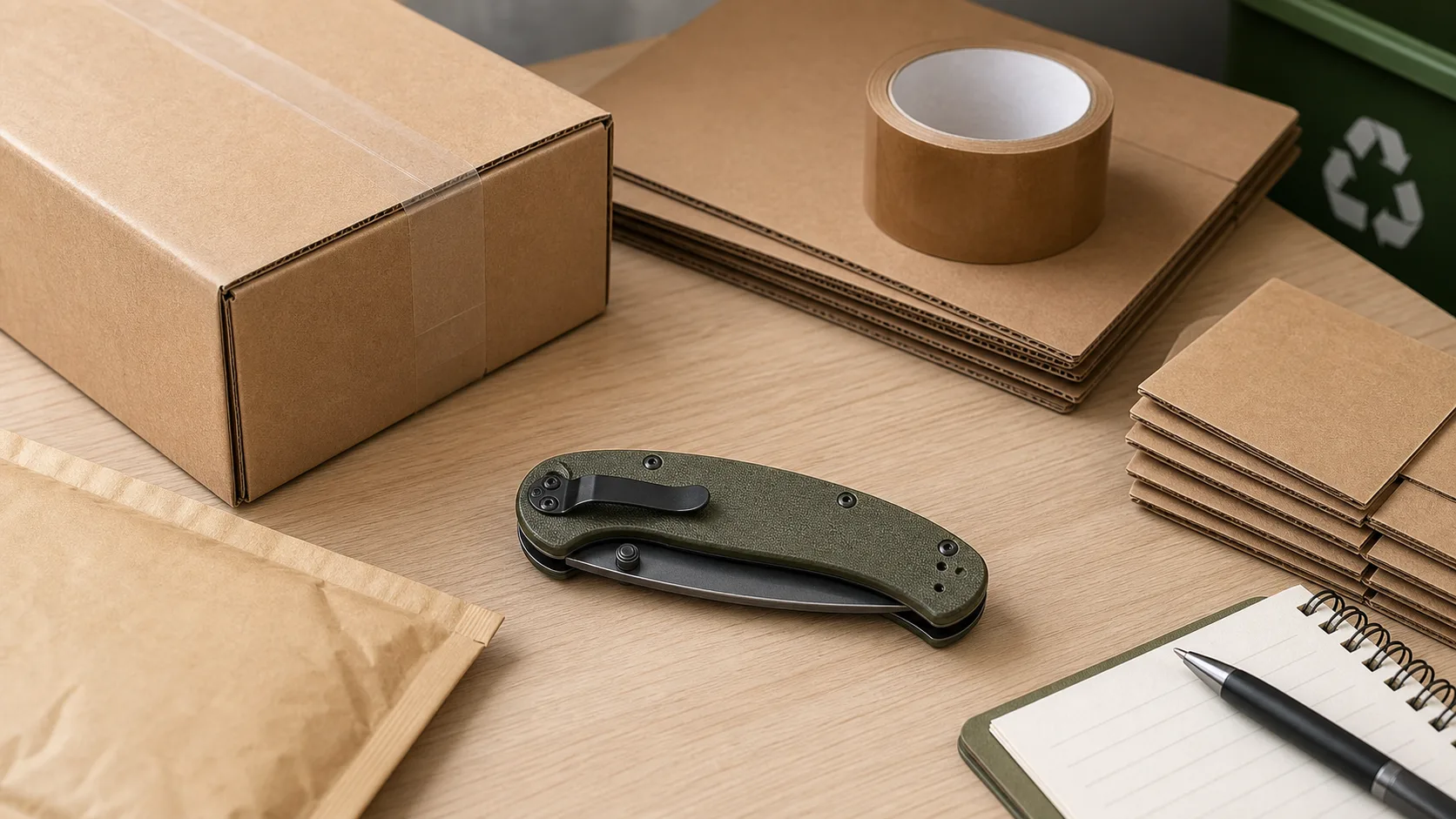
Quick answer
If you break down many boxes every week, a replaceable-blade utility knife or box cutter is usually the better tool. It keeps the cutting depth shallow, replaces a worn edge quickly, and avoids using a folding knife for stacks of abrasive cardboard.
If the main job is opening boxes, start with a compact plain-edge drop point. It is easier to control around tape, labels, packing paper, and the item inside the box. In the DISPATCH lineup, the 3 inch drop point liner lock pocket knife is the first model to compare because the blade is short enough for careful package cuts and the G10 handle gives you more grip than a slick novelty handle.
If you also break down larger cardboard, cut cordage, or want more handle in the palm, compare it against the 3.54 inch 8Cr13MoV G10 folding pocket knife. That model is the better “one knife in the junk drawer, garage shelf, or camp bin” choice. Buy the smaller knife when control matters most. Buy the larger utility model when you want more slicing length and a fuller grip.
For searchers comparing the best pocket knife for packages, cardboard, tape, and light household utility, the important split is control versus reach. A compact folding pocket knife is better near delicate contents. A slightly larger utility model is better when the same knife also has to break down cartons, trim cordage, and live in a garage or camp kit.
| Buyer situation | Best DISPATCH starting point | Why it fits | Check before buying |
|---|---|---|---|
| Apartment, office, or mailroom packages | 3 inch drop point liner lock pocket knife | Shorter blade, plain edge, and a practical shape for tape and thin cardboard. | Confirm current blade length, lock type, and whether the live listing mentions assisted opening. |
| Garage boxes, shipping cartons, and weekend errands | 3.54 inch 8Cr13MoV G10 folding pocket knife | More blade and more grip for repeated cardboard cuts and general household utility. | Verify the ASIN, steel, handle material, and local blade-length limits. |
| Cardboard plus camping or gear repair | 3.58 inch drop point G10 folding knife | Longer slicing stroke for cordage, camp packaging, and bigger cartons. | Make sure the extra blade length still fits your pocket, kit, and local rules. |
| Gift buyer who wants style first | Dragon pattern folding pocket knife | Better as a styled gift than as the clean first pick for cardboard work. | Specs are not fully verified here, so check the live listing carefully. |
What box work actually asks from a knife
Opening packages is not a dramatic job. That is the point. The knife has to start the cut cleanly, stay under control, and stop before it hits whatever you paid for. A thick, oversized blade can feel impressive in the hand and still be annoying when the box is small, the tape is close to the contents, or you are cutting while standing in a doorway with five other errands waiting.
Look for these traits first:
- A plain edge that is easy to touch up after cardboard.
- A blade around 3 inches if control is the priority.
- A textured handle that does not twist when tape glue or dust gets on your fingers.
- A lock that you understand and can close without rushing.
- A product page with clear specs instead of vague toughness claims.
Cardboard is also hard on edges. It is full of abrasive filler, dirt, adhesive, and staples hiding in bad places. A buyer who opens boxes every week should care less about flashy design and more about a knife that can be wiped down, dried, and sharpened without turning maintenance into a project.
Use a pocket knife when you want one compact tool for occasional packages plus cordage, camp packaging, or light household tasks. Use a box cutter when cardboard volume is high, a shallow cutting depth protects the contents, or replaceable edges are more important than carrying one general-purpose tool.
Best first pick for packages
The 3 inch drop point liner lock pocket knife is the clean first comparison for packages. The reason is simple: less blade is easier to place. A compact drop point gives you a controllable tip for slicing tape, trimming zip ties, and starting cuts in thin cardboard without dragging extra steel through the box.
This is the one to check first if your real use is:
- Amazon boxes, mailers, and packaging tape.
- Light kitchen drawer or desk drawer utility.
- Day-pack tasks where pocket comfort matters.
- A first folding knife that should not feel oversized.
The tradeoff is reach. If you break down moving boxes, slice longer panels, or cut cordage outdoors, you may want more blade and more handle. That is where the larger DISPATCH models become more tempting.
Better pick for cardboard breakdown
The 3.54 inch 8Cr13MoV G10 folding pocket knife is the stronger buy when cardboard is only part of the job. The extra length helps with longer draw cuts, and the G10 handle makes sense for dusty hands, garage shelves, storage bins, and camp chores.
This is the model to compare when you want one folding utility knife for:
- Cutting down shipping cartons for recycling.
- Opening plastic clamshell packaging carefully.
- Trimming rope, twine, and garden packaging.
- Keeping in a camp kitchen or gear bin after checking local rules.
8Cr13MoV is also a practical steel for this role because the buyer can maintain it. It will not turn cardboard into a magic trick. It still needs wiping, drying, and edge touch-ups. But for a utility knife, easy maintenance is part of the appeal.
When the larger drop point makes sense
The 3.58 inch drop point G10 folding knife is for the buyer who wants more slicing reach and does not mind the size. It makes more sense for camping boxes, cordage, food packaging, and gear repair than for a tiny apartment mail pile.
Choose it over the compact model if the work is bigger than tape. Skip it if you mainly open small boxes near delicate contents. A longer blade can be useful, but it also gives you more edge to control and more local-law details to verify.
What to skip
Skip dramatic blade shapes for routine package work unless you already know why you want them. A tanto can score and scrape, but the angular edge is not as smooth for long cardboard cuts and takes more attention to sharpen evenly. The 3.54 inch tanto point folding knife is better treated as a blade-shape choice than a first box-opening recommendation.
Also skip anything with unclear specs. A knife can look giftable and still leave you guessing about steel, length, lock, or opening style. If a listing does not answer the basic buyer questions, do not let the photo make the decision.
Before you click buy
Use the guide page to narrow the model, then use the live retailer page to confirm the details. Product titles, availability, seller wording, shipping limits, and restrictions can change.
Check these before buying:
- ASIN and product title match the model you meant to buy.
- Blade length fits your local rules and the places you will use it.
- Lock type and opening style are clear.
- Blade steel and handle material match the guide notes.
- The product wording still fits ordinary utility use.
- You have a simple sharpening and cleaning plan.
For most box-opening buyers, the decision is not complicated: choose the compact drop point for clean package control, or choose the 3.54 inch G10 utility model if you also want a more capable household and camp knife.
Sources and verification
These external references support product identity, mechanisms, maintenance, sharpening, safety, or law-checking. Retail listings and local rules can change, so verify current details before acting.
Practical guides for choosing and caring for folding knives
Start with direct buying guides, material explainers, maintenance notes, and safety limits before choosing a folding knife.
3 inch vs 3.5 inch pocket knife: which should you buy?
A practical size comparison for compact and 3.5 inch DISPATCH folding knives, covering pocket comfort, cutting reach, maintenance, and local-law checks.
How to clean and sharpen a pocket knife
Clean, dry, lubricate, and restore a practical pocket-knife working edge after packages, cardboard, cordage, and camp chores.
Pocket knife sharpening angle chart and guide
A practical pocket knife sharpening angle chart for choosing a durable working edge without grinding away steel or chasing a fragile bevel.
DISPATCH Amazon starter shortlist
Use these first picks to compare blade size, handle texture, lock style, and everyday utility tasks before checking final product details on Amazon.